Eco-Friendly Retrofits to Cut Energy Bills in Cypriot Homes
- 1. The Cyprus Climate and Its Impact on Home Energy Use
- 2. Key Principles Behind Green Retrofit Cyprus Projects
- 3. Thermal Insulation: The Foundation of Energy Efficient Home Cyprus
- 4. Solar Control and Shading Solutions That Work
- 5. Ventilation Strategies That Maintain Comfort and Efficiency
- 6. Upgrading to Efficient HVAC Systems for Cyprus’s Climate
- 7. Solar Energy Integration: Making the Most of Cyprus’s Sunshine
- 8. Financial Incentives and Regulations Supporting Eco-Friendly Renovations in Cyprus
- 9. Case Studies: Successful Energy Efficient Home Cyprus Transformations
- 10. Prioritizing Retrofits: A Stepwise Approach for Homeowners
- 11. Keeping the Balance: Comfort, Efficiency, and Sustainability in Cyprus Homes
- 12. A Future in Green Living: Making Every Home a Model
- 13. Author
Living in Cyprus means embracing a Mediterranean lifestyle rich in sunshine, sea, and stunning landscapes, but the hot summers and mild winters push homeowners to balance comfort with energy consumption. For those invested in real estate Limassol and beyond, the challenge is clear: how to reduce energy bills Cyprus-wide while maintaining quality of life and respecting environmental limits. This is where eco friendly renovations Cyprus come into sharp focus, offering a path to sustainable property Cyprus without sacrificing comfort or aesthetics.
Energy efficiency in homes isn’t just a trend—it’s a practical necessity in Cyprus today. With rising utility costs and increased awareness of climate impacts, eco-friendly retrofits let homeowners conserve energy, cut expenses, and increase property value. This article delves into the best green retrofit Cyprus options that make sense both financially and environmentally, unpacking technical solutions, local considerations, and step-by-step strategies to transform conventional residences into energy efficient home Cyprus examples.
The Cyprus Climate and Its Impact on Home Energy Use
Understanding the climate is the first step in designing renovations that truly work. Cyprus enjoys more than 300 sunny days per year, producing intense heat from late spring through early autumn. While winters are generally mild, cooler nights can mean additional heating needs during the off-season.
This climatic pattern creates distinct energy consumption peaks: air conditioning during summer and heating in winter. Traditional Cypriot homes—constructed with thick walls and limited insulation—struggle to maintain stable indoor temperatures, relying heavily on electric cooling, which can inflate energy bills. The harsh sunlight also increases indoor heat gains through windows and roofs, making unprotected homes energy-draining.
Local building materials help somewhat—limestone, stone, and reflective white paint are common—but modern energy demands call for upgrades beyond mere traditional design. The challenge lies in striking the right balance between natural ventilation, insulation, and modern mechanical systems.
Effective energy retrofits in Cyprus must address high solar heat gains without compromising fresh air supply and natural cooling potential.
Key Principles Behind Green Retrofit Cyprus Projects
Retrofitting existing homes demands a strategic approach, distinct from new construction, geared toward optimizing what is already built. The guiding principle is to reduce the building’s energy demand first—through passive measures—and then meet the remaining needs via efficient systems or renewable technologies.
The main pillars underlying a successful green retrofit Cyprus include:
- Thermal insulation: Adding or improving insulation minimizes heat transfer through roofs, walls, and floors.
- Solar control: Integrating shading devices, reflective coatings, and strategic glazing reduces unwanted heat gains.
- Ventilation: Ensuring proper air exchange improves indoor air quality while limiting energy loss.
- Efficient HVAC systems: Replacing outdated systems with energy-saving variants lowers electricity consumption.
- Renewables integration: Incorporating solar panels or heat pumps offsets fossil fuel use and cuts bills.
Each component works in tandem. For example, enhanced insulation without ventilation can lead to dampness, while shading without cutting glare may affect comfort. The hallmark of green retrofit Cyprus efforts is this nuanced balancing act tailored to local conditions.
Holistic design tailored to Cyprus’s environment ensures retrofit efforts don’t backfire on efficiency or comfort.
Thermal Insulation: The Foundation of Energy Efficient Home Cyprus
The entry point into any meaningful energy retrofit is upgrading thermal insulation. In Cyprus’s climate, insulation keeps interiors cooler in summer and warmer in winter. Yet, many properties suffer from inadequate or non-existent insulating layers, especially homes built before energy codes tightened.
Roof insulation stands out as the most impactful. Since hot air rises, roofs can lose or gain substantial heat if uninsulated. Materials like polyurethane foam boards or mineral wool blankets suit flat or pitched terraces common in Cyprus.
Wall insulation can be trickier, especially for stone or traditional homes, where internal insulation risks moisture problems if not carefully implemented. Modern external insulation systems or insulating paints can help here, but professional evaluation is a must.
Energy efficient home Cyprus experts recommend multi-layer approaches combining several thin insulation materials to optimize both thermal resistance and breathability.
| Insulation Type | Typical Application | Pros | Cons |
|---|---|---|---|
| Rigid Foam Boards | Roofs, walls | High R-value, moisture resistance | Costly, requires careful sealing |
| Mineral Wool | Roofs, walls | Good fire resistance, breathable | Absorbs moisture if exposed |
| Reflective Membranes | Roofs | Reflects solar heat, lightweight | Less effective alone, needs combination |
Properly specified insulation is the bedrock of reduced energy consumption in Cypriot homes.
Solar Control and Shading Solutions That Work
Sunlight is a double-edged sword in Cyprus. While it provides natural light and warmth in winter, it is a major contributor to excessive internal heat during summer. Simple yet effective solar control methods are essential in lowering cooling energy requirements and reducing glare.
External shading devices, such as awnings, shutters, or pergolas covered with climbing plants, block direct sunlight before it hits the building envelope. Louvered shades allow adjustable shading and ventilation, enhancing adaptability through seasons.
Glazing is another focal point. Installing double-glazed windows with low-emissivity coatings significantly cuts heat transfer. Selecting glass types that balance visible light transmission and solar heat factor is a technical decision best left to specialists.
White or light-colored exterior surfaces reflect sunlight; however, brighter finishes often fade over time. Some homeowners opt for specialized reflective paints designed to maintain performance longer.
Managing sunlight smartly in Cyprus ensures homes stay cool naturally, slashing energy consumption.
Ventilation Strategies That Maintain Comfort and Efficiency
Ventilation is vital to avoid stuffy interiors, remove humidity, and maintain air quality. Yet, traditional ventilation methods in Cypriot homes—such as wide-open windows—can waste cooled or heated air, increasing energy use.
Modern retrofits use controlled ventilation systems with heat recovery, exchanging stale indoor air with fresh outdoor air while capturing thermal energy to reduce heating or cooling loads. Although these systems add upfront costs, they pay back through long-term energy savings and healthier living environments.
Natural ventilation remains practical when thoughtfully designed. Using cross-ventilation principles, operable windows positioned on opposite sides allow breezes to cool living spaces efficiently during mild seasons.
Solar chimney designs boost air circulation by harnessing temperature differences, a technique rooted in traditional Mediterranean architecture but modernized with durable materials.
Ventilation improvements preserve indoor air quality without undermining energy conservation efforts.
Upgrading to Efficient HVAC Systems for Cyprus’s Climate
Heating, ventilation, and air conditioning (HVAC) systems represent the largest share of household energy use in Cyprus. Many existing units are outdated or oversized and operate inefficiently.
Replacing conventional air conditioners and heaters with energy-efficient models such as inverter heat pumps delivers significant savings. Heat pumps transfer heat rather than generate it by combustion, offering better performance and environmental benefits.
Smart thermostats and zoning systems help users optimize consumption, heating or cooling only occupied spaces when needed. Regular maintenance of HVAC equipment also prevents energy wastage through malfunction or wear.
Solar thermal systems can supply domestic hot water, reducing the load on electric water heaters and further cutting bills.
Modern HVAC upgrades tailored to Cypriot homes cut energy consumption and boost indoor comfort.
Solar Energy Integration: Making the Most of Cyprus’s Sunshine
Few retrofit investments offer such clear returns as solar energy systems in Cyprus. With abundant sunlight year-round, photovoltaic (PV) panels can generate significant electricity directly on-site, offsetting grid consumption.
Homeowners engaged in green retrofit Cyprus projects increasingly install rooftop solar arrays linked to net metering, selling surplus power back to the grid and lowering overall energy costs. Solar water heating systems complement electricity production by covering substantial domestic hot water needs through solar thermal collectors.
Battery storage technology, though still relatively costly, allows greater self-consumption of generated electricity, reducing reliance on grid power and enhancing resilience during outages.
Proper sizing, installation angle, and panel orientation are critical for maximizing yield in Cyprus’s solar context. Professional assessment ensures that systems are cost-effective and compliant with local regulations.
Solar energy remains the cornerstone of sustainable property Cyprus modernization, harnessing natural resources for lasting benefits.
Financial Incentives and Regulations Supporting Eco-Friendly Renovations in Cyprus
Government programs and EU-funded initiatives play a crucial role in stimulating green retrofits Cyprus-wide. Subsidies, grants, and low-interest loans reduce the upfront investment hurdle for homeowners.
Through schemes like the Cyprus Sustainable Energy Agency’s programs, specific energy-saving improvements receive partial funding, particularly for renewable installations and insulation upgrades. Tax deductions are also available for qualifying measures.
Compliance with the Cyprus Energy Performance of Buildings Directive requires certain minimum standards in renovations, pushing the market toward greater efficiency. For those investing in real estate Limassol or any other urban area, these regulations influence property valuation and marketability.
Awareness of these legal frameworks and financial aids is essential when planning eco friendly renovations Cyprus residents want to undertake.
Accessing available incentives amplifies the impact and affordability of sustainable home upgrades in Cyprus.
Case Studies: Successful Energy Efficient Home Cyprus Transformations
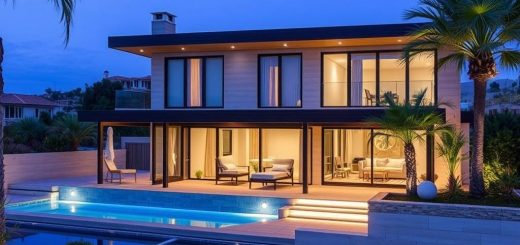
Real-world examples paint the clearest picture of possibilities. Take a typical four-bedroom villa in Limassol that underwent a green retrofit Cyprus project focusing on insulation improvements, window replacement with double-glazing, and installation of a 6 kW PV system. The result was a 40% reduction in annual electricity bills and a noticeably cooler interior during summer, without excessive air conditioning.
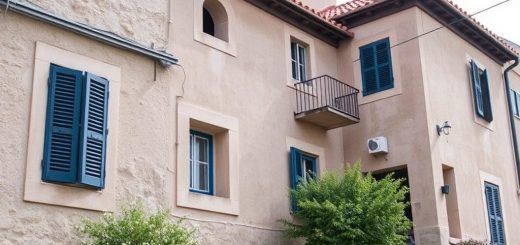
In a traditional village house, owners combined solar shading elements with natural ventilation enhancements and a heat pump system. Despite the home’s heritage status, these eco friendly renovations Cyprus allowed were carefully devised to preserve historical aesthetics while cutting energy use by a third.
New builds designed to sustainable property Cyprus standards, while not technically retrofits, further demonstrate how integrated design methodologies reap ongoing benefits.
Practical retrofits tailored to local conditions consistently deliver meaningful energy and cost reductions.
Prioritizing Retrofits: A Stepwise Approach for Homeowners
Renovating a home to reduce energy bills Cyprus homeowners typically follow phased approaches. Immediate steps often address insulation and sealing gaps to prevent unnecessary heat transfer. Next comes solar control improvements and ventilation enhancements.
Upgrading HVAC systems is usually a mid-term goal due to higher costs and complexity. Finally, solar energy installations, particularly when combined with available subsidies, round out the retrofit plan.
Professional energy audits and modeling can inform decision-making, helping allocate budgets where returns are greatest and avoiding ineffective actions.
Phasing eco-renovations maximizes budget efficiency and ensures sustained energy savings over time.
Keeping the Balance: Comfort, Efficiency, and Sustainability in Cyprus Homes
Ultimately, the success of any green retrofit Cyprus initiative rests on achieving a comfortable indoor environment alongside clear energy savings. Slashing bills at the expense of air quality or occupant wellbeing defeats the purpose.
Integration of passive measures, smart controls, and renewable sources delivers homes that meet modern comfort expectations yet reduce their environmental impact dramatically. These homes support the vision of sustainable property Cyprus inhabitants increasingly pursue—an investment in the future as much as the present.
True sustainability in Cypriot housing balances ecological responsibility with livability and economic sense.
A Future in Green Living: Making Every Home a Model
Transforming Cyprus’s housing stock through eco-friendly retrofits is an ongoing journey, vital for climate resilience and economic prudence. Prospective buyers eyeing real estate Limassol or elsewhere can leverage these upgrades as a mark of quality and foresight.
Energy efficient home Cyprus examples illuminate a realistic path forward: one that embraces innovation without discarding tradition, reduces dependence on external energy, and fosters a healthier environment for all.
Investing in green retrofits today means lower bills tomorrow and a stronger position in an increasingly eco-conscious market. The island’s rich solar resource and distinctive climate offer unique advantages—making sustainable property Cyprus not just a dream, but an achievable standard.
Frequently Asked Questions
- What is the average cost of an eco friendly renovation in Cyprus?
Costs vary depending on the scope, but a typical energy retrofit can range from €5,000 to €30,000, influenced mainly by insulation and solar system investments. - Are there any subsidies available for green retrofits in Cyprus?
Yes, the Cyprus government and EU initiatives offer grants and low-interest loans for qualifying energy efficiency and renewable energy projects. - How much can I expect to reduce my energy bills after a retrofit?
Typical savings range from 20% to 50%, depending on the measures implemented and the home’s initial condition. - Can I retrofit a traditional stone house without damaging its character?
Yes, with careful planning and appropriate materials, many eco friendly renovations Cyprus properties maintain historical aesthetics while improving performance. - Is solar energy suitable for every home in Cyprus?
Nearly all homes with adequate roof space and sunlight exposure can benefit from PV or solar thermal systems, making solar energy a cornerstone of sustainable property Cyprus-wide. - How long does an energy retrofit take to show return on investment?
Depending on scale and incentives, payback periods typically range from 5 to 10 years. - What role do energy audits play in retrofits?
Energy audits identify inefficiencies and prioritize improvements, ensuring effective allocation of investment for maximum impact.